

Sit, Ubu. Sit. Good dog.
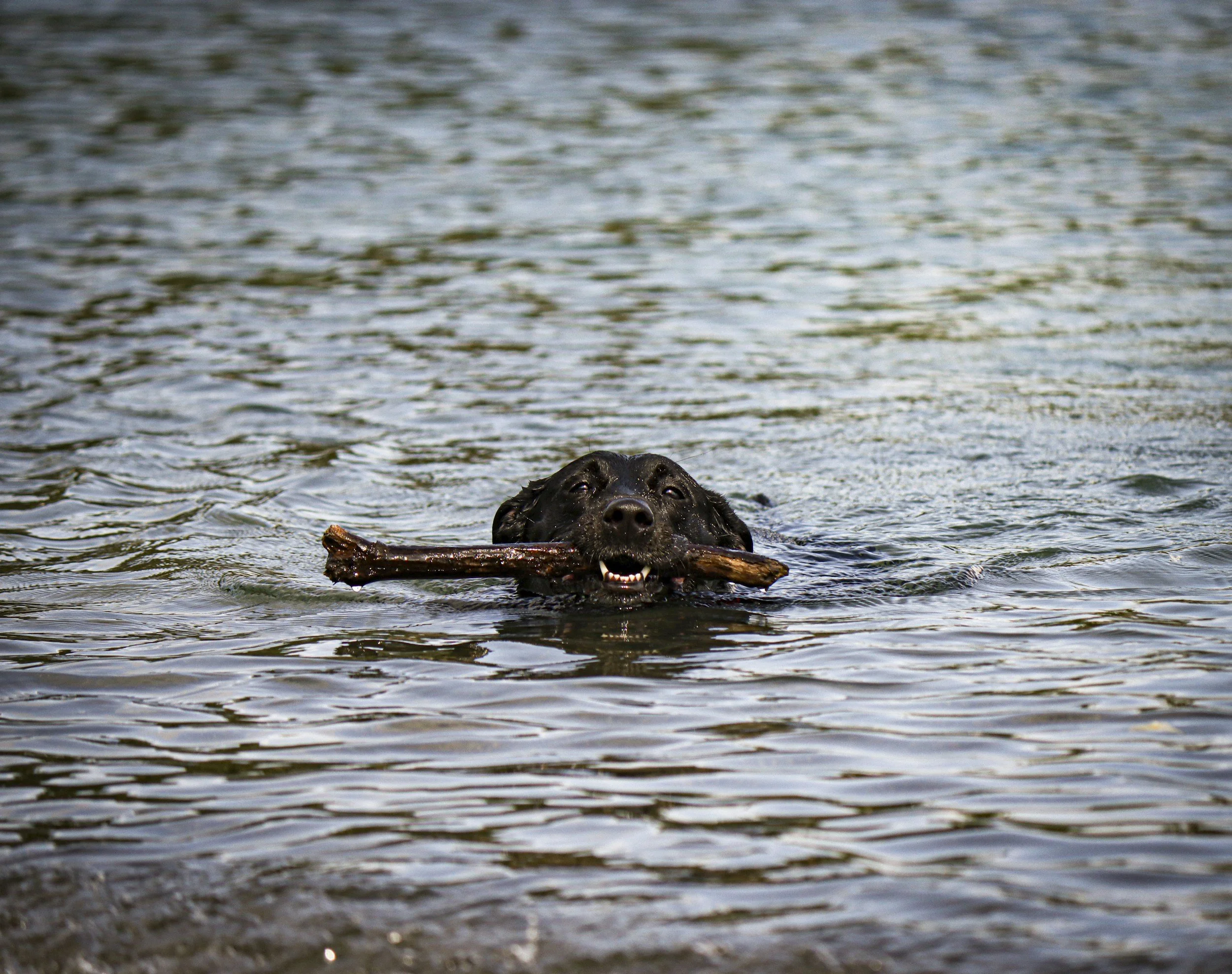
There was an old sitcom, Family Ties, back in the Eighties, that ended with the picture of a labrador. The voice over said, “Sit, Ubu. Sit.” And, of course Ubu sat down and the voice over said, “Good dog.”
I have had a dog most of my life and it is always interesting, fun and a little stressful, training them to be “good dogs.” The stressful part is getting them to come when they are called, you don’t want them to run away; sit/stay when company visits, a pest is a pest no matter how cute; learning what “no lick” means when they want to lick the skin cream off your neighbor’s legs, etc. But, most importantly, teaching them not pee on the rug.
Geri and I have an Australian Labradoodle named Buddy, who just turned nine. The Aussie part is important—not for this story particularly but for a point of interest—because it means that he has a little cocker spaniel in him. Makes him a little more playful and gives him killer eyes. And is important from a training perspective, because he can get away with murder because of his high adorability quotient.
But Buddy is pretty well trained. Not like my black lab, Pepper, who came out of the womb trained; true story. But he’s very well behaved. I was reflecting on his potty training the other night after I took him out, he did his business, and I said, “Good dog, Bud” and, having relieved himself and gotten his “atta boy’ and no doubt with the thought of a Wild Weenie in mind, he trotted happily back towards the house.
I was trying to recall if Buddy ever had an accident indoors. To the best of my recollection, and Geri’s too, there was only one time when he wet the floor. He was potty trained quickly. We didn’t use newspaper. Or pee pads. Or some fancy technique developed by some dog guru named Cesar or whatever. We took him out often, regularly, and, most importantly, said, “good dog” whenever he “performed”.
In the management class I teach, we talk about The Labrador Theory which asks the question: Are you a lab? Meaning do most of your employees respond better to a pat on the head or a rap on the bum? A soft word? Or a harsh word? Labs are notorious for wanting to please their masters, and telling them “good dog” is all they need to hear to go on pleasing. It has been said that a retriever will go on retrieving a stick to the point of collapse just to please his master. It is the master that has to call it quits. Rarely the dog.
Most good managers would agree that, in the overwhelming majority of cases, employees do better when guided by positive reinforcement rather than negative reinforcement. But why is that and what does it look like?
Here are a few of the whys:
1) When you praise versus admonish, the employee gets a dopamine rush. When you admonish, which creates fear, you get an adrenalin rush. One is much more pleasurable.
2) When you praise, the employee knows they did something correctly, now knows how to repeat it, and wants to repeat it to get more praise.
3) When you admonish, often it is either not accompanied by the proper training, or the employee “shuts down”--especially if the admonition is accompanied by harsh and/or loud words--so their receptivity to the training is poorly received. Net-net, the employee still doesn’t know what to do to earn the praise the next time around.
4) When you praise someone, it shows the employee that you respect and appreciate what they do. Respect and appreciation are high on the list of traits employees want from their bosses.
5) And, finally, all BS aside, who doesn’t want to be treated nicely and, conversely, who wants to be yelled at?
What does the Lab’s “pat on the head” look like in practice?
As managers, positive reinforcement is one of your most powerful tools. That is different than gratitude, the subject of a prior blog. So, it makes a lot of sense to use this tool frequently, even frivolously, if you want to run a great business. Here are some key things to consider.
First, managers need to be disposed, obsessively, to look for opportunities to praise their employees and colleagues. Too often, managers are reluctant to praise for fear they are over-praising and therefore cheapening the praise. Balderdash. Buddy never, ever tires of hearing “good dog” for the same “good dog” behavior he has done for nine years. And why would you want to deny your valuable employee one of the least expensive—but most important—rewards you can provide; feeling good about themselves.
That having been said, the “good dogs” have to be genuine. Buddy can’t poop in the front hall and you say “good dog.” He’s not going to buy it. If you have a Lab, when they don’t do a good job they are more disappointed in themselves than you are. I am like that, as are most people. People are labs, and, in most cases, also feel bad about sub-par performance. So, don’t placate them. False praise, much more than overly frequent praise, cheapens the concept. (And, by the way, when Buddy does poop the floor, the right approach is to say, “Ah. Poor thing. It’s ok.” Not praise. But sympathy for his plight. More on addressing “mistakes” in a future blog.)
Praise should be given both in one-on one settings and in group settings. In the latter, not to worry about offending those who are not being singled out. Why? Because: 1) People want to know they are being acknowledged relative to their peers; 2) if the other employees are ticked off that someone is being recognized and/or are not happy for the recognized employee, I am not sure you want them on the team anyway; and 3) handing out “good dogs” to some and not to others nine times out of ten motivates the other employees to work harder to get their “good dogs.”
That said, if more than one employee did the good deed, to the extent possible, you need to identify and recognize each of them. To not do so means you, the manager, aren’t doing your job, and you alienate the folks you failed to recognize.
One-on-one “good dogs,” because they do not create the “rush” that comes with recognition among “the pack,” are best used when you want to send a special message to the employee; either because the “good dog” is for a positive change in performance or because the “good dog” is because the employee did something so outstanding that you want to personally thank them. With the latter, you want to recognize the employee in the front of “the pack” later. But to do so in private grows the personal connection/relationship between you and the employee.
Net-net, people are labs. They respond much more to positive feedback, than negative. And there is sound scientific and common-sense basis for doing so. It creates happy, loyal, high-performing employees, a much better company, and, not to mention, it is the right thing to do.
So, hand-out the “good dogs” and get a “good dog” yourself for being a wise manager.
Show A Little Faith.